

As the sun streams through the window and laughter fills the air, there’s nothing quite like the joy of creating something special with your little ones. This homemade playdough recipe is your ticket to a world of imagination and creativity! Soft, squishy, and incredibly easy to mold, this delightful dough will not only keep kids entertained for hours but also spark a passion for hands-on activities.
I found that making playdough at home not only allows for endless customization through vibrant food colors but also provides a wholesome way to bond as a family. Forget about those store-bought options brimming with chemicals; this non-toxic recipe is safe for kids and perfect for sculpting, rolling, and molding, just like their favorite plasticine.
So, gather your ingredients and prepare for some delightful, sensory playtime. With this easy recipe, you’re just moments away from fostering creativity and happy memories!
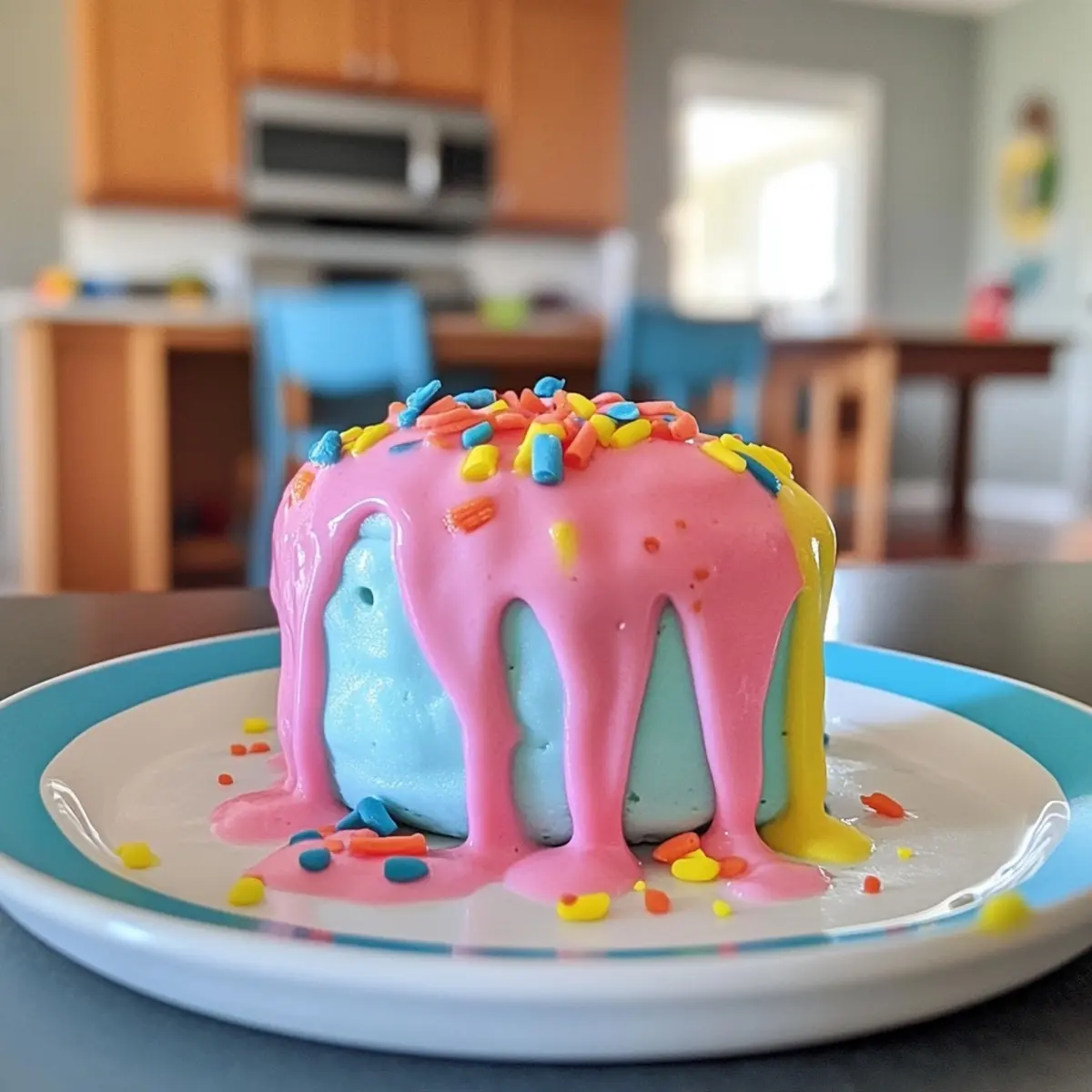
Why choose a homemade playdough recipe?
Endless Customization: With this recipe, you can mix and match colors using food coloring or even natural dyes for a unique twist.
Safe & Non-Toxic: This playdough is crafted with love, ensuring it’s safe for your little ones to use without concern over harmful chemicals.
Perfect for Bonding: Making playdough is not just fun; it’s an excellent way to create lasting memories with your kids while they explore their creativity.
Budget-Friendly: Why spend money on store-bought options when you can create this delightful dough at home for a fraction of the cost?
Ideal for Parties: This playdough is a hit at playdates and birthday parties, providing hours of entertainment for kids of all ages.
Get ready to unleash your child’s imagination and enjoy family time like never before!
Easy Homemade Playdough Ingredients
• Create your colorful masterpiece with this homemade playdough recipe!
For the Dough
- Flour – The main base that provides structure for your squishy playdough.
- Salt – Helps preserve the texture and prevents bacterial growth, ensuring longer playtime.
- Cream of Tartar – Enhances elasticity, making the playdough more pliable and fun to mold.
- Water – Hydrates the dry ingredients and is essential to forming smooth dough.
- Oil – Adds smoothness, ensuring the playdough is easy to handle and not too sticky.
For Coloring
- Food Coloring – Adjust to your child’s imagination, using any type—liquid or gel—for vibrant hues!
Enjoy making this delightful playdough with your kids, and watch their creativity flourish!
How to Make Easy Homemade Playdough
- Mix Ingredients: In a large pot, combine the flour, salt, and cream of tartar. Stir well to ensure everything is evenly blended for a smooth texture.
- Add Water and Oil: Pour in the water and oil, continuing to stir to combine the ingredients into a cohesive mixture.
- Heat the Mixture: Place the pot on medium heat, stirring continuously. Watch as the mixture thickens and begins to form a ball—this should take a few minutes.
- Cool the Dough: Carefully remove the pot from heat and transfer the dough onto a sheet of wax paper. Allow it to cool slightly before handling.
- Knead Until Smooth: Once the dough has cooled enough to handle, knead it with your hands until it’s soft and pliable, just like your little one’s creativity!
- Divide and Store: Divide the dough into four equal parts. Place each portion in a ziplock bag, ensuring they are sealed properly to maintain freshness.
- Add Color: Squeeze a few drops of food coloring into each ziplock bag. Seal the bags and knead inside to mix the color, avoiding messy hands.
- Final Knead: Remove the dough from the bags and knead it one last time to achieve an even color and texture. Now you’re ready for some imaginative play!
Optional: Store playdough in the same ziplock bags to keep it soft for future use.
Exact quantities are listed in the recipe card below.
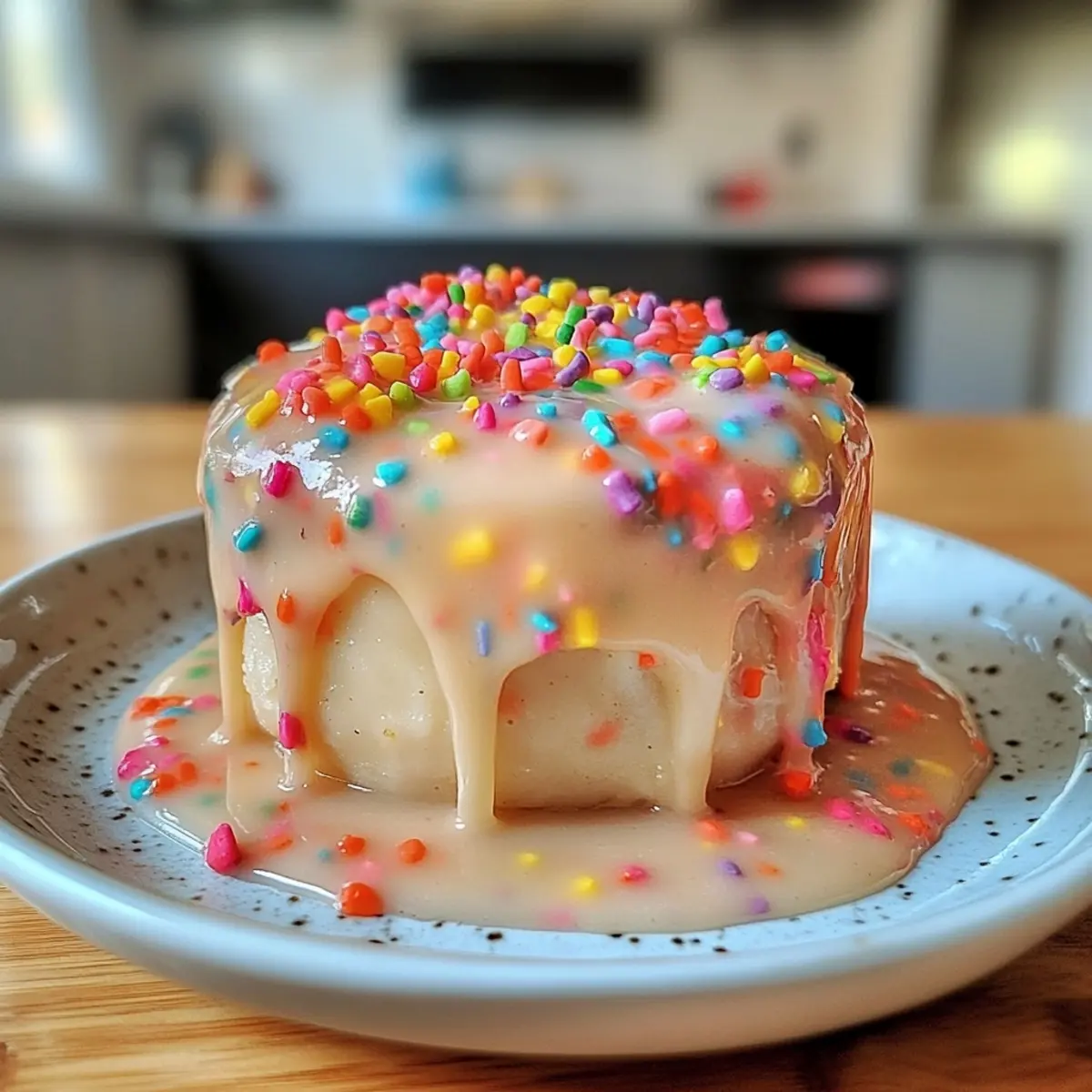
Expert Tips for Homemade Playdough Recipe
- Storage Solutions: Store playdough in the same ziplock bag or a fresh one to prevent it from drying out, ensuring it stays fresh for 3-6 months.
- Color Intensity: For vibrant shades, gradually add more food coloring while kneading until you reach your desired hue, but remember, a little goes a long way!
- Kneading Technique: Knead thoroughly after adding color to ensure even distribution; this prevents any surprise patches of color when your kids start playing.
- Natural Alternatives: If you’re looking for healthier options, consider swapping food coloring for natural dyes from fruits or vegetables to create a more wholesome play experience.
- Essential Oils Warning: If adding scents, choose kid-safe essential oils and do so sparingly to avoid overwhelming sensitivities.
Embrace your creativity and have fun crafting this homemade playdough recipe!
Homemade Playdough Recipe Variations & Substitutions
Unleash your creativity by experimenting with these fun twists on your homemade playdough!
- Natural Colors: Replace traditional dyes with natural options like beet juice or spinach puree for a healthier touch. Kids will be delighted by the beautiful, earthy hues!
- Scented Playdough: Add a few drops of kid-safe essential oils like lavender or lemon during the kneading process for a delightful sensory experience. It’ll make playtime feel even more special!
- Texture Boost: Mix in some sand or cornstarch for a unique grainy texture that changes the feel of playdough. Kids love the added sensory element this brings to their imaginative play.
- Glittery Appeal: Sprinkle in some biodegradable glitter to your dough for magical sparkles. This small addition can transform playtime into an enchanting adventure!
- Edible Option: If you’re particularly concerned about safety, consider making a version with food-grade ingredients like peanut butter and powdered sugar to create a no-worry edible playdough.
- Holiday Themes: For festive occasions, add a pinch of cinnamon or pumpkin spice to embody the spirit of the season. Kids’ imaginations will thrive with scents that evoke holiday cheer!
- Cooling Playdough: Substitute a portion of the water with herbal tea (like chamomile) for a calming effect. The aroma will create a soothing environment for relaxed playtime.
- Luminous Fun: Mix in a dash of glow-in-the-dark powder for playdough that shines brightly at night. Kids will be amazed, making their playtime even more magical after sunset!
Now you’re all set to have a sprawling adventure of creativity with your little ones while customizing their playdough experience!
What to Serve with Easy Homemade Kids Playdough?
Prepare for imaginative adventures with your little ones as you create fun and colorful memories together!
- Sensory Bins: Fill a shallow container with rice or beans for a delightful sensory experience that enhances tactile play and adds depth to your fun.
- Themed Play Mats: Design themed play mats using paper or felt for a backdrop where kids can create stories with their sculpted creations.
- Art Supplies: Gather crayons, markers, and colored paper to encourage artistic expression, allowing kids to draw scenes inspired by their playdough fun.
- Storytime: Pair your playdough activities with storybooks related to imaginative play. Themed storytime stimulates creativity and enhances the joy of the experience.
- Snack Time Treats: Serve healthy snacks like apple slices or cheese cubes that provide energy for extended playtime. Pairing snacks keeps everyone refreshed and engaged.
Creating a vibrant play environment not only extends the joy but also enhances education through creativity. With these suggestions, your homemade playdough experience will be unforgettable!
How to Store and Freeze Homemade Playdough
Room Temperature: Keep your playdough in an airtight container or ziplock bag at room temperature for up to 1 week to maintain its softness and pliability.
Fridge: For longer preservation, store the playdough in the refrigerator in a sealed container, where it can last up to 3 weeks, preventing drying out.
Freezer: If you want to extend its life, freeze the playdough in a sealed plastic bag for up to 6 months. Just remember to let it thaw and knead before play!
Reheating: If the playdough becomes hard, try warming it slightly in your hands or briefly in the microwave, but be careful not to overheat. Enjoy this homemade playdough recipe for creative fun again and again!
Make Ahead Options
Making this homemade playdough recipe ahead of time is a fantastic way to save precious minutes during busy days! You can prepare the dough itself and store it for up to 3 days in an airtight ziplock bag. To ensure it remains soft and pliable, refrigerate the sealed bags after preparation. When you’re ready for play, simply remove the dough from the fridge, knead it to restore its texture, and add any desired food coloring. This way, you’ll have the ultimate craft activity just moments away, making it perfect for spontaneous creative sessions with your little ones!
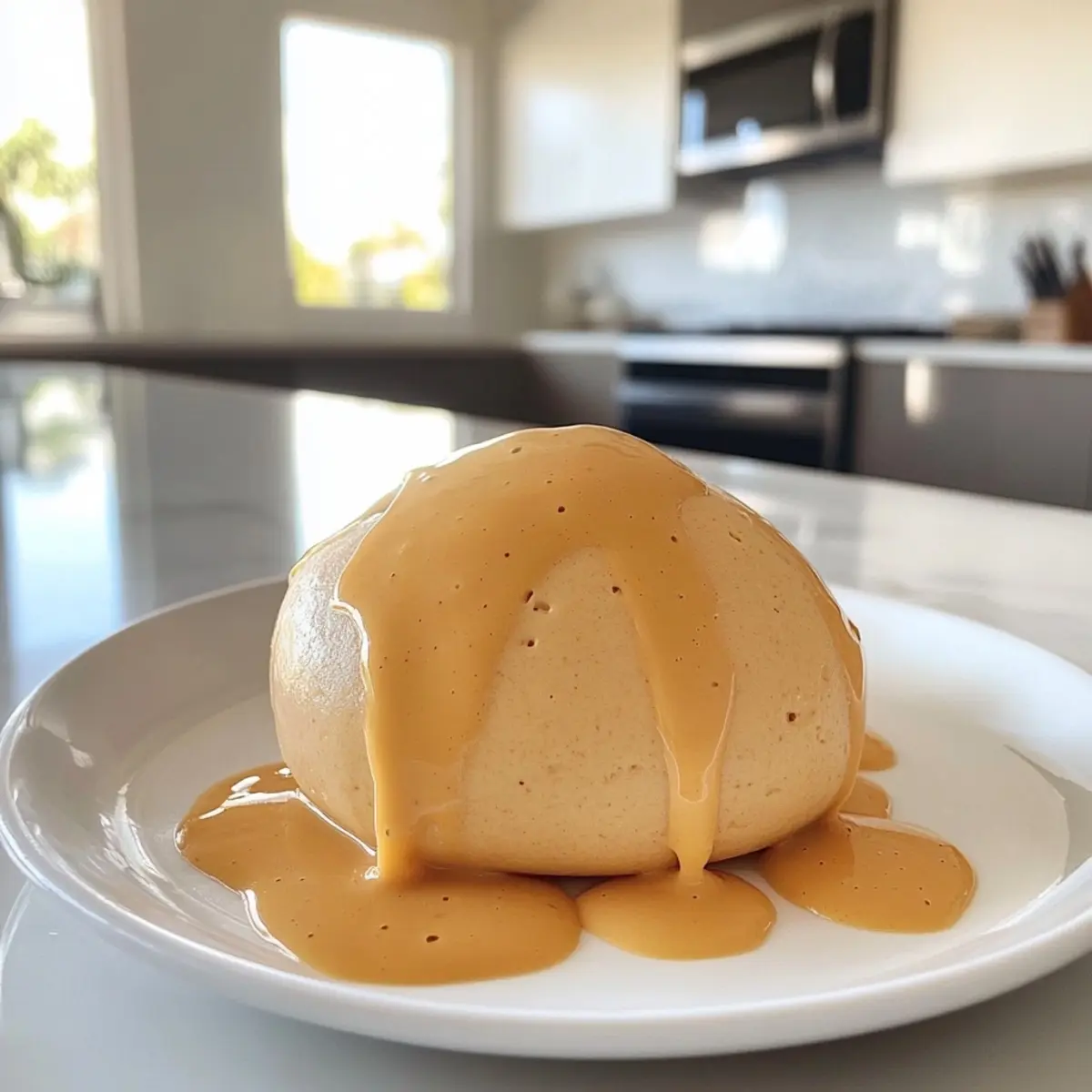
Easy Homemade Kids Playdough Recipe FAQs
How can I tell if my playdough ingredients are fresh?
Absolutely! For the best results, make sure your flour is fresh and free of any clumps. Check the salt for any moisture, as it should be dry and free-flowing. The cream of tartar should be powdery and white, without any dark spots or clumps. If any ingredient seems off, it’s best to replace it before starting your homemade playdough recipe.
How should I store my homemade playdough for longevity?
Very good question! To keep your playdough fresh and soft, store it in an airtight container or a ziplock bag to prevent any air from getting in. At room temperature, it can last for up to one week. For extended freshness, refrigerate it in a sealed container, which will allow it to remain usable for up to 3 weeks. It’s all about keeping the dough away from moisture and excess air!
Can I freeze my homemade playdough, and if so, how?
Absolutely! Freezing is a wonderful way to extend the life of your playdough. First, make sure the dough is tightly wrapped in a ziplock bag, ensuring there’s no excess air inside. Label the bag with the date, and it will keep for up to 6 months in the freezer. When you’re ready to use it again, let it thaw at room temperature or knead it with your hands to warm it up before play!
What should I do if my playdough becomes too dry or hard?
If your playdough feels hard, don’t worry! You can revive it by adding a few drops of water and kneading it back to life. If that doesn’t work, try microwaving it for a few seconds in a damp paper towel—just watch it closely to avoid overheating! This should soften it, allowing your kids to get back to sculpting and creating.
Is this playdough safe for my pets?
Great concern! While this playdough is non-toxic and primarily made for kids, it’s best to keep it away from pets. Ingestion can still lead to digestive issues, and since playdough is not intended as food, it’s wise to supervise playtime closely to prevent any curious animals from sampling it.
Can I use natural dyes instead of food coloring?
Certainly! You can create a healthier option by using natural dyes. Try using beet juice for red, turmeric for yellow, or spinach for green. Just remember that natural colors may yield softer hues compared to artificial food coloring, but they’ll definitely add a unique twist to your homemade playdough recipe! Enjoy experimenting!
Easy Homemade Playdough Recipe for Endless Creative Fun
Equipment
- large pot
- stirring spoon
- wax paper
- ziplock bags
Ingredients
For the Dough
- 2 cups flour The main base that provides structure for your squishy playdough.
- 1 cup salt Helps preserve the texture and prevents bacterial growth.
- 2 teaspoons cream of tartar Enhances elasticity, making the playdough more pliable.
- 2 cups water Hydrates the dry ingredients.
- 2 tablespoons oil Adds smoothness, ensuring the playdough is easy to handle.
For Coloring
- as needed food coloring Adjust to your child’s imagination.
Instructions
How to Make Easy Homemade Playdough
- In a large pot, combine the flour, salt, and cream of tartar. Stir well to ensure everything is evenly blended for a smooth texture.
- Pour in the water and oil, continuing to stir to combine the ingredients into a cohesive mixture.
- Place the pot on medium heat, stirring continuously. Watch as the mixture thickens and begins to form a ball.
- Carefully remove the pot from heat and transfer the dough onto a sheet of wax paper. Allow it to cool slightly before handling.
- Once the dough has cooled enough to handle, knead it with your hands until it's soft and pliable.
- Divide the dough into four equal parts. Place each portion in a ziplock bag.
- Squeeze a few drops of food coloring into each ziplock bag. Seal the bags and knead inside to mix the color.
- Remove the dough from the bags and knead it one last time to achieve an even color and texture.
Notes


Leave a Comment